Among the gardens
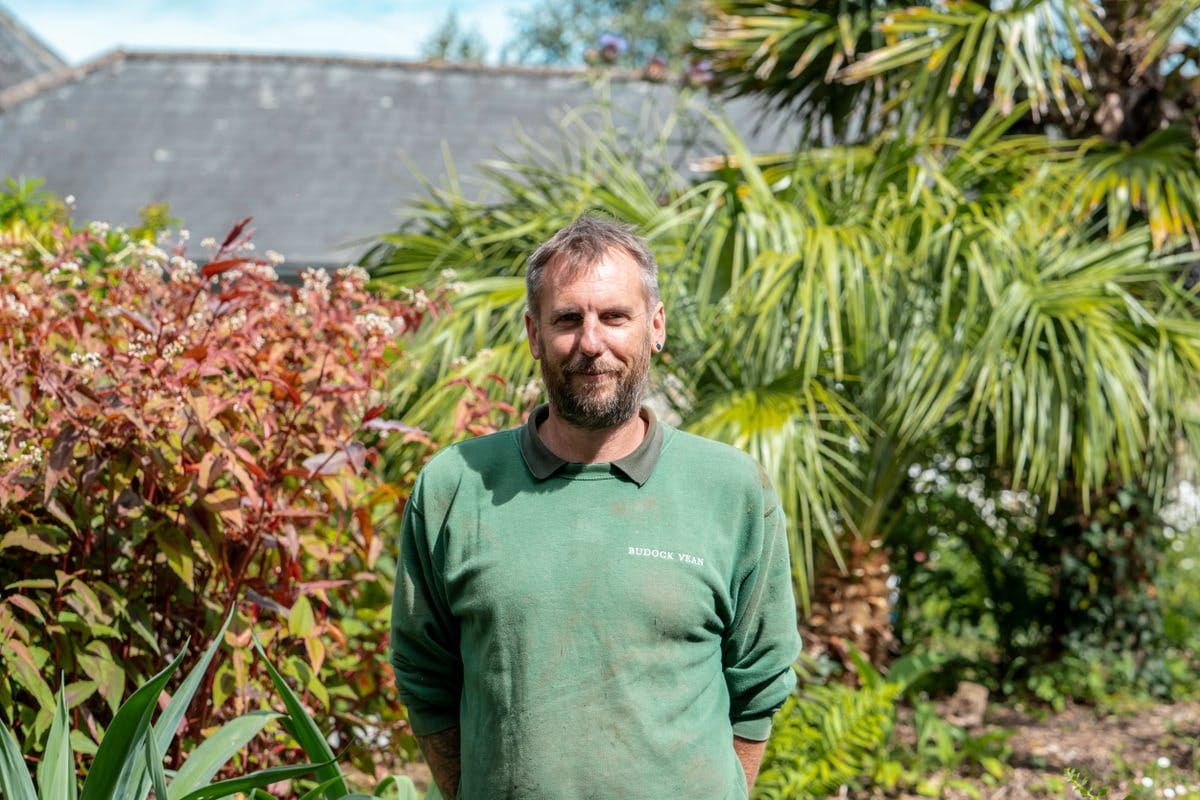
From woodland bluebells to subtropical blooms, our Head Gardener Phil reflects on the colour, calm, and ever-changing beauty of the gardens at Budock Vean Hotel & Spa.
What are the first signs of spring you look forward to each year?
I always know spring is well and truly on its way when the wild garlic and bluebells start to blanket all the boarders and woodlands.
What’s currently flowering around the grounds?
We’re now at the end of camellias and magnolias, but the azaleas, rhododendrons and vincas are in full bloom, as are lots of common wildflowers like daisies. The Trachycarpus, which is a tropical palm found in Cornwall, now has it’s bright yellow distinctive flowers on display.
How do the gardens change as summer approaches?
All the spring bulbs and flowers, such as wild garlic and azaleas, die back. This makes way for the hydrangeas and the massive blooms of gunneras, commonly known as 'giant rhubarb’. The prehistoric tree ferns create an impressive display with their full canopy structures, which lead you down through the valley garden.
Do you have a favourite spot in the gardens this season?
During the spring, the woodlands are my favourite spot. The bluebells are in full bloom covering the woodland floor in colour, and the tree canopy isn’t fully formed yet, which allows the spring sunlight to shine through making the colours pop.
What does a typical spring day look like for you?
The grass has come back to life and is in full swing, so lots of grass cutting is needed. Unfortunately, this also means the weeds rear their ugly heads and need to be kept up with too. In addition, this is when I get to start planning and preparing the hanging baskets and planters for the summer, and I can get creative with colour and design.
Which plants thrive most in the Cornish climate?
Echium’s tend to survive well in our milder climate and are known for their tall dramatic blue and purple flower spikes. Hydrangeas also grow exceptionally well because of the acidic soil here, as do Camellias. Tree ferns and a variety of palm trees, such as Trachycarpus, Phoenix palms and Cordyline palms, thrive due to Cornwall’s sub-tropical temperate climate.
How do the gardens support local wildlife in spring and summer?
We leave areas of the garden to go to seed with wild flowers and minimal mowing, only cutting in walkways, with piles of tree branches and wood left in certain areas. This is to support biodiversity and essential insect life, which in turn supports local wildlife as they come out of hibernation in spring and need readily available food.
Do you have any simple seasonal gardening tips to try at home?
Mulching early can help suppress weed development, by using bark chips or compost around the flower beds. This also adds in much needed nutrients after winter. Spring is also a good time to get your seeds going, or plant out your seedlings and take cuttings, which you can do in even the smallest of outside spaces, or even on a windowsill.
What do you hope guests feel when walking through the gardens?
I hope they can feel at peace whilst surrounded by nature, listening to the birds and feeling the breeze through the trees, to help forget life’s stresses. Moments like these are my favourite and it’s something I love about my job.
Discover Budock Vean’s subtropical gardens on your next visit and keep an eye out for seasonal blooms. To see more gardens of Cornwall, explore our three-night Cornish Garden Break, available April to October.